Intersectional Organizing for Movement Building across California
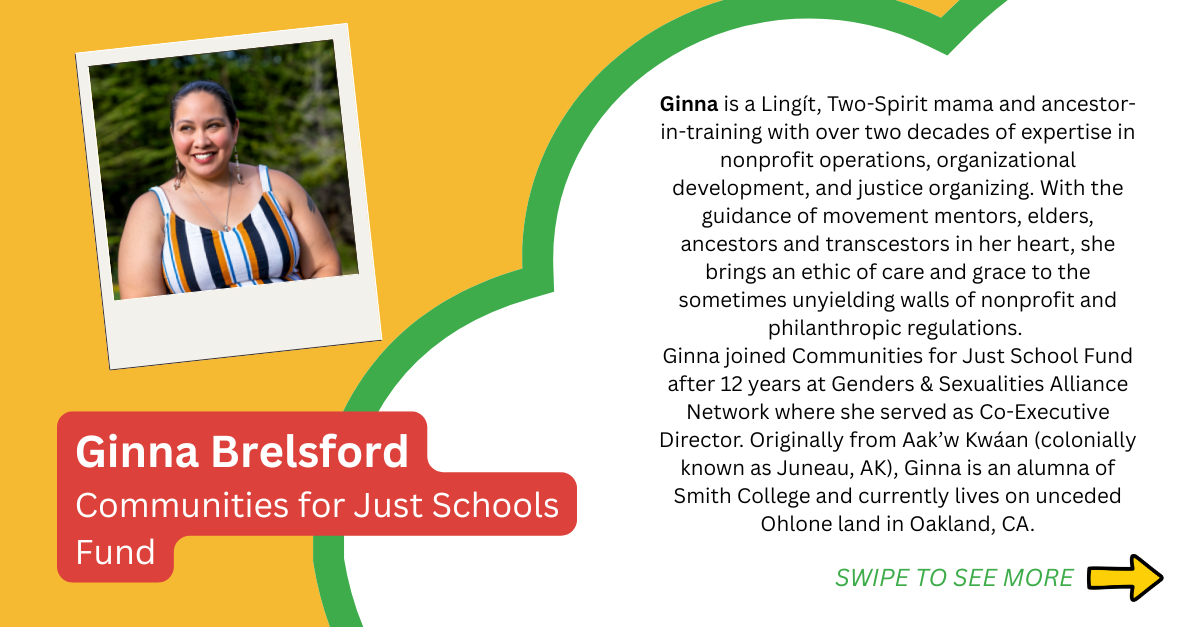
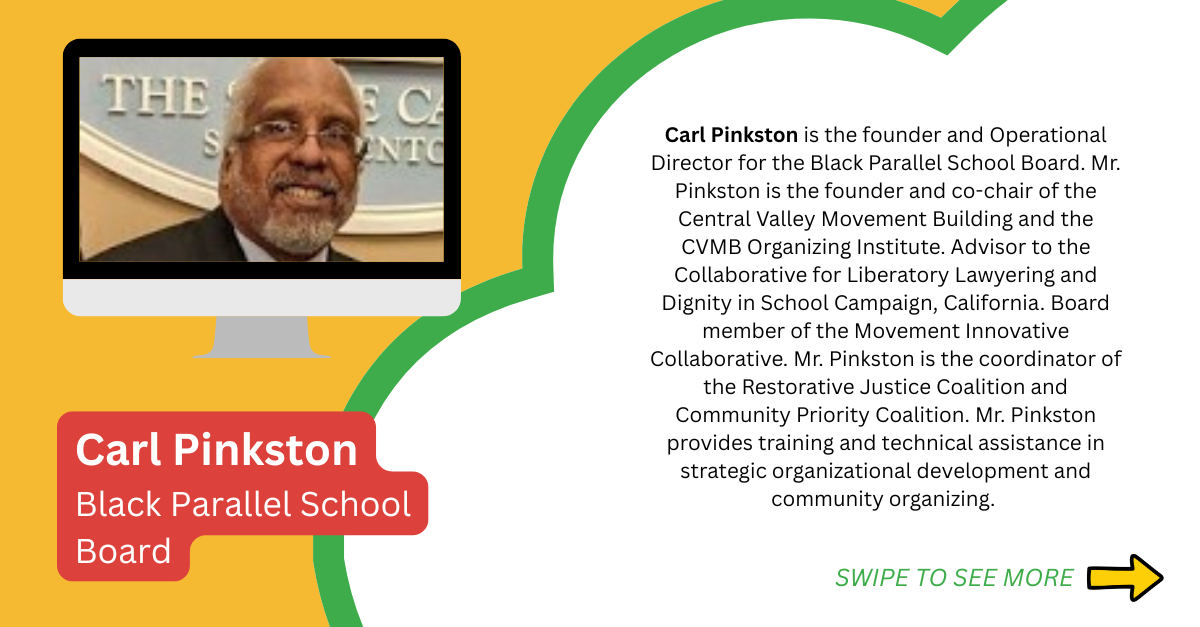
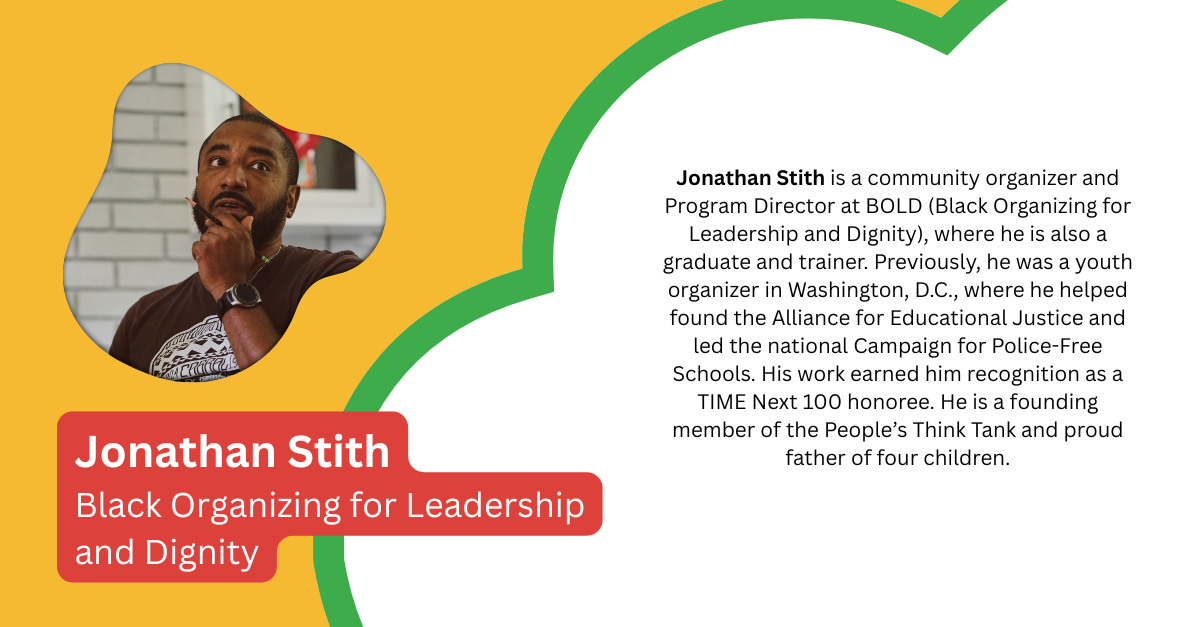
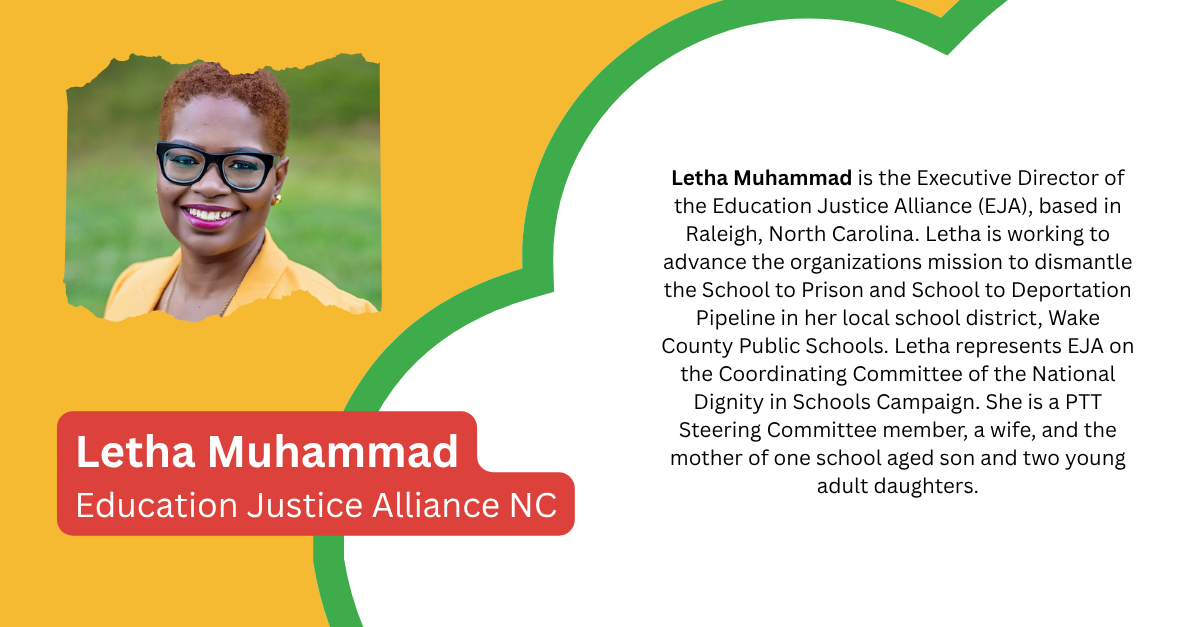
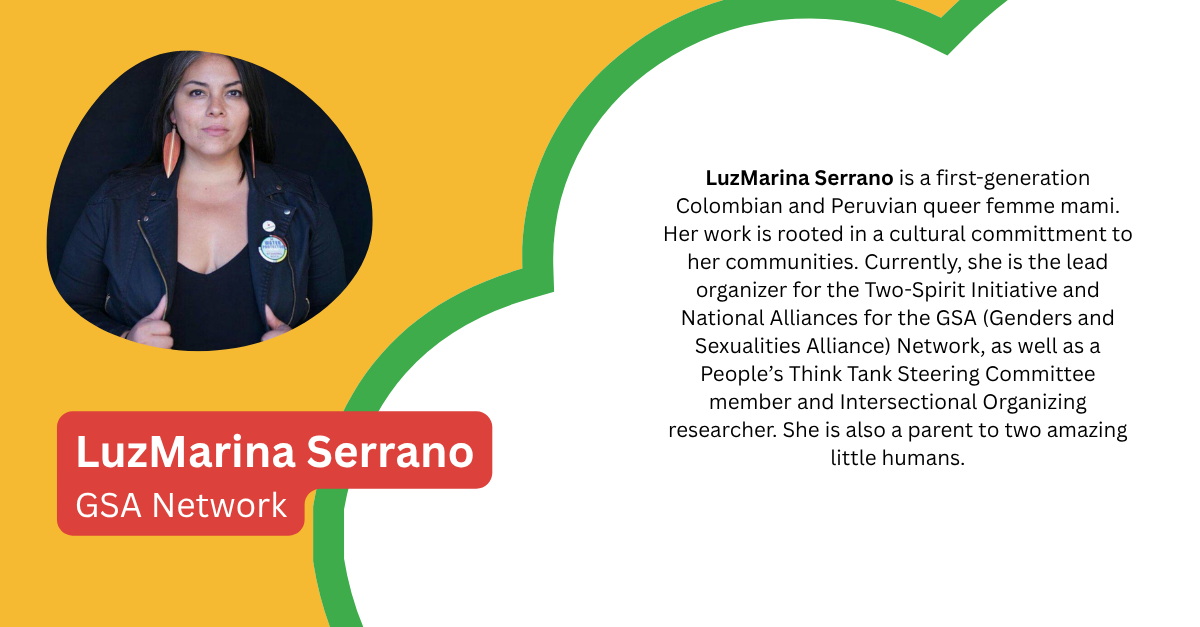
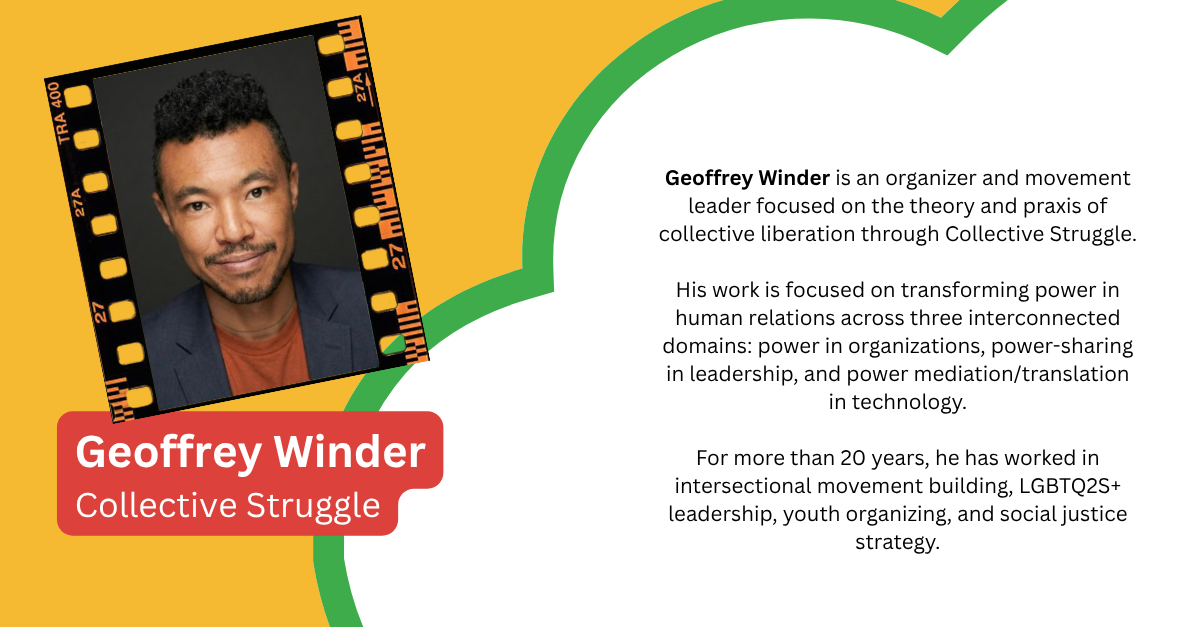
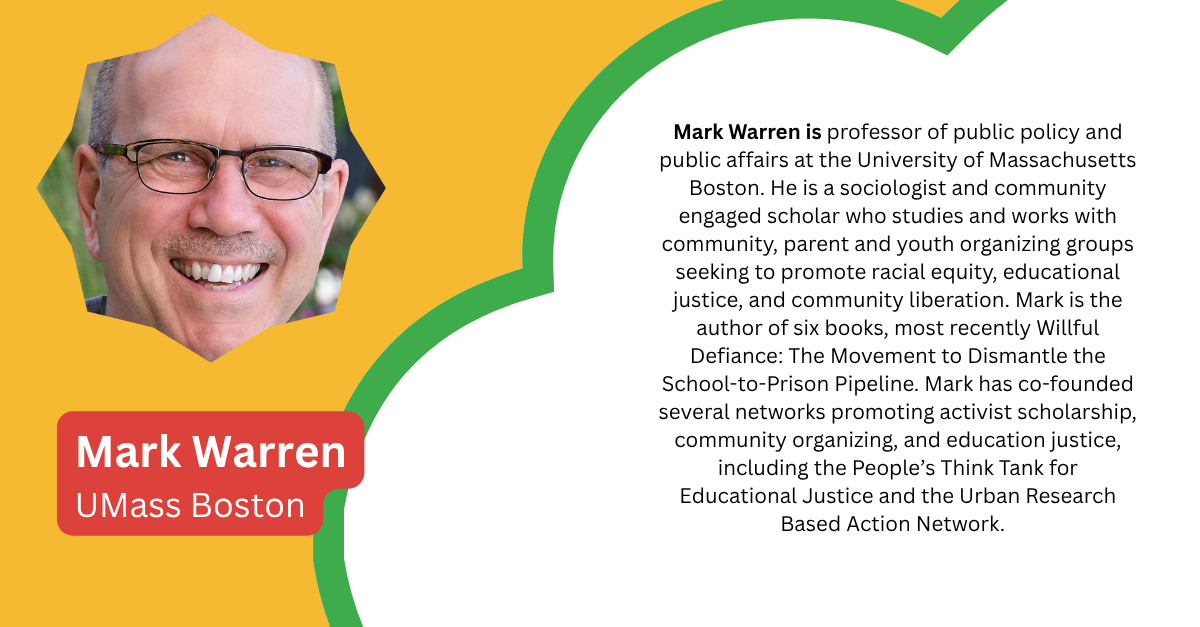
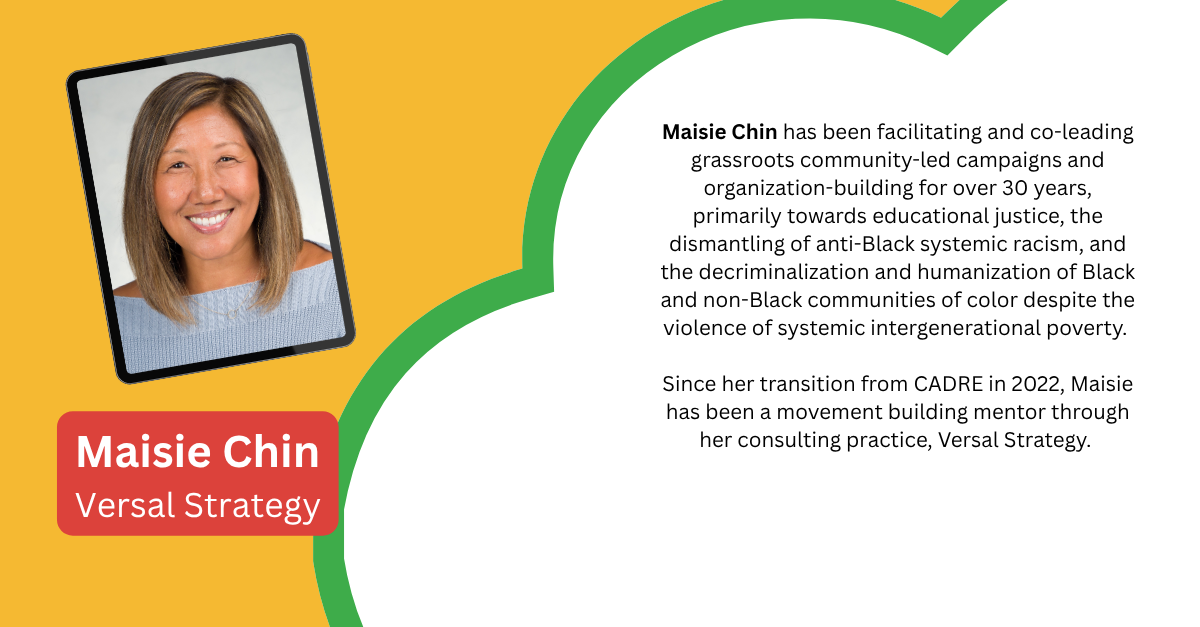
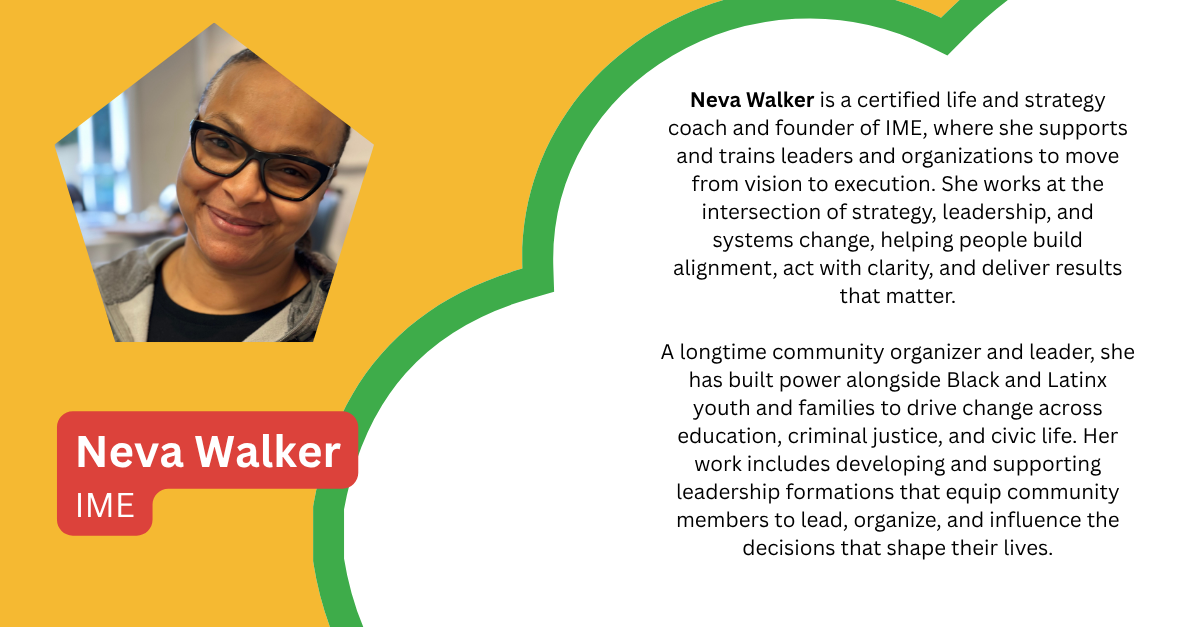
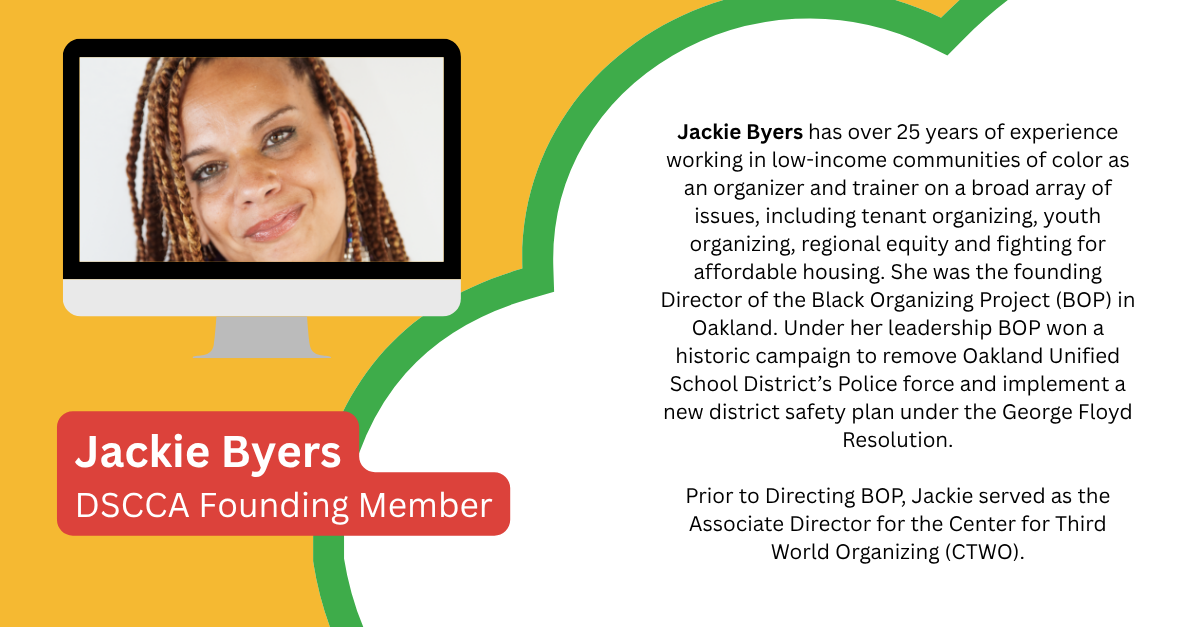
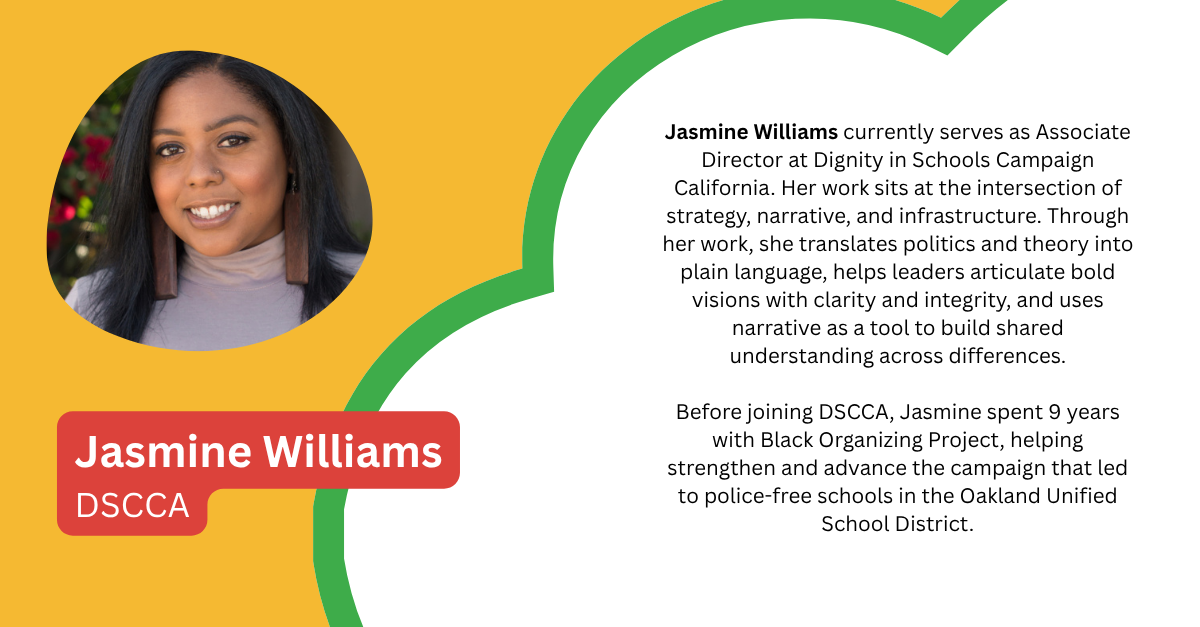
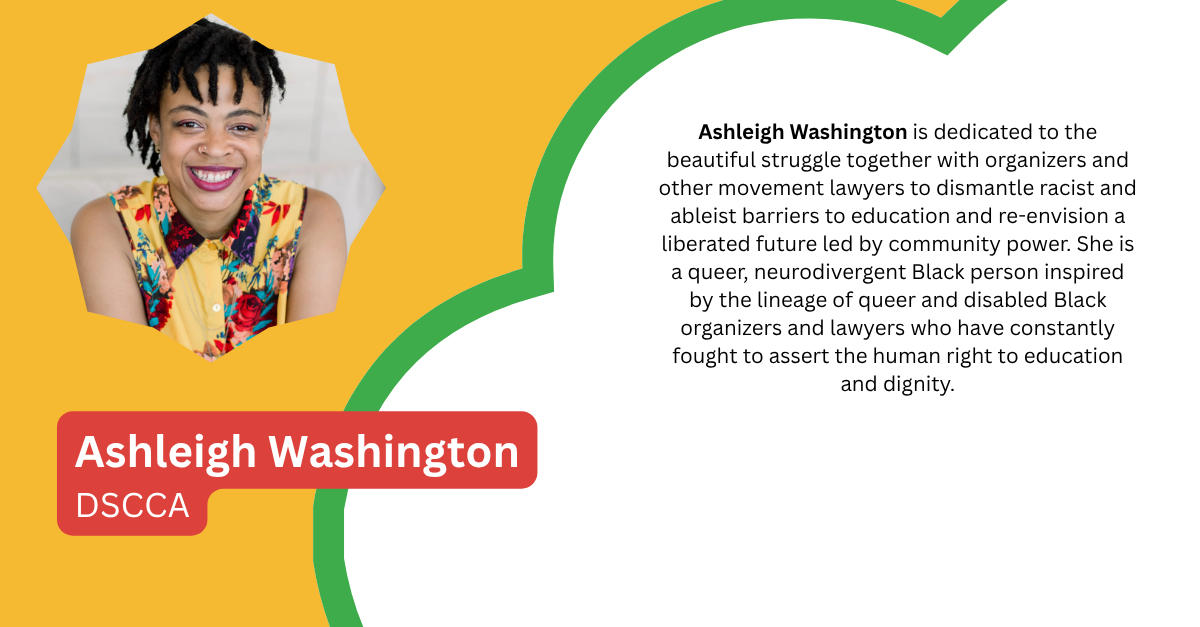
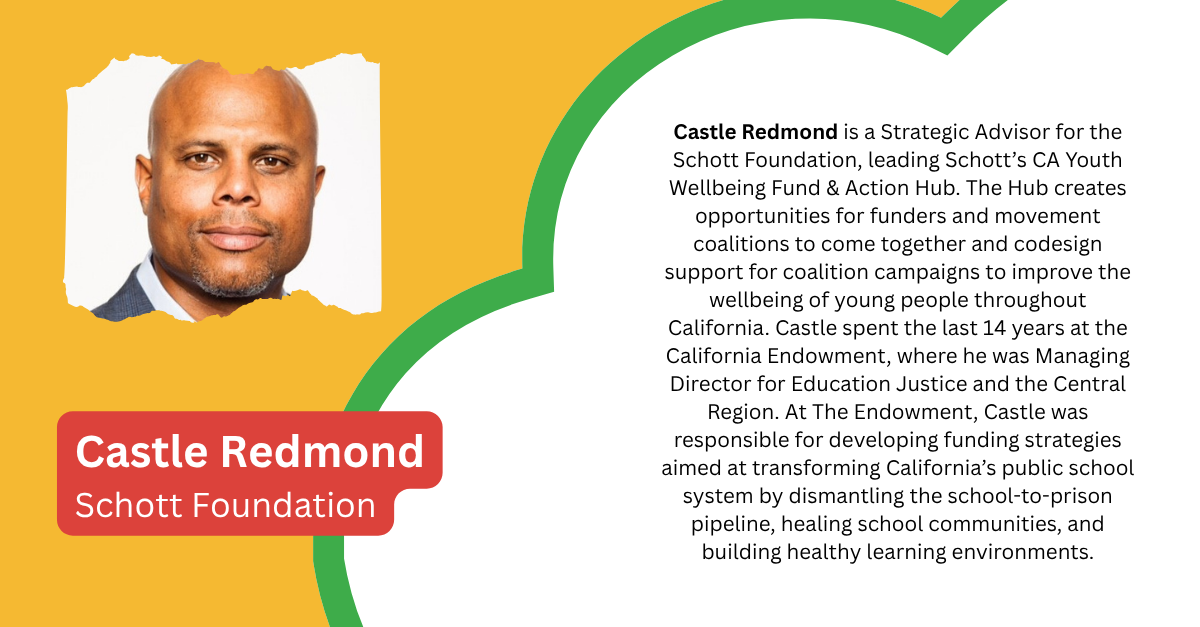
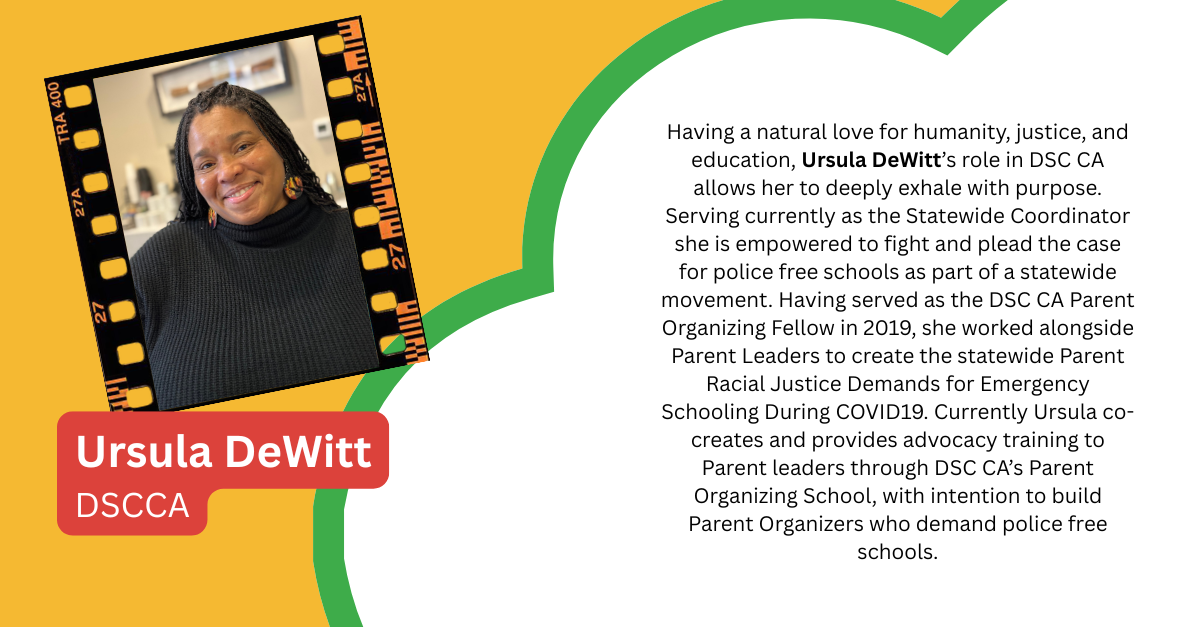
PANELISTS: Maisie Chin, Jackie Byers, Neva Walker, Carl Pinkston, Letha Muhammad, LuzMarina Serrano, Ginna Brelsford, Ashleigh Washington & Castle Redmond • Hosts and Moderators: Mark R. Warren, Jonathan Stith, Geoffrey Winder, Ursula DeWitt, and Jasmine Williams • Spoken Word Performance: Patrice Hill, Denisha Bland
WEDNESDAY, MAY 27, 2026: Join Dignity in Schools Campaign California and People’s Think Tank with our panelists and moderators as they lift up key lessons on solidarity-building and education justice organizing.
This webinar brings into public conversation, for the first time, the FIRST case study in the intersectional organizing series published by The People’s Think Tank.
[This webinar has concluded.]
present
Keywords: education justice movement, police-free schools, Black-led grassroots organizing
In the re-election year of the first Black president, a rare opportunity emerged to advance the movement to dismantle the school-to-prison pipeline: Assistant Secretary for Civil Rights Russlyn Ali convened field hearings on the status of boys and men of color across the U.S., marking a federal shift from a focus on personal failure to systemic inequities. For California’s grassroots organizations already fighting school pushout, criminalization, and the school-to-prison pipeline, this was a chance to expose the deeper racialized structures at play.
At the Western Regional Office hearing in Los Angeles, testimonies from queer, trans, Black, Indigenous, Latinx, and API youth, their parents, and their advocates wove a powerful and painful narrative: these weren’t isolated stories but interconnected patterns revealing the ongoing legacy of racism and anti-Blackness in public education, pointing to the need for systemic transformation.
Over the twelve years that followed this opening, youth, parents, and organizers across California took up that challenge and built an ecosystem for radical systemic change in the most diverse state in the country.
This case study was produced by the People’s Think Tank, a network of thought leaders from over forty community, parent and youth organizing groups, national alliances, and allied organizations committed to building knowledge to support movements for racial equity, educational and social justice, and community liberation. PTT is fiscally sponsored by the Schott Foundation for Public Education.
For more information on other projects, check out @peoplesthinktank (Instagram) or email ptt@schottfoundation.org. If you use any of this case study in your work, we would be happy to hear about it!